logo

商品の詳細

Created with Pixso. 家へ Created with Pixso. 製品 Created with Pixso.
パルプ と 紙 の 酵素
Created with Pixso.

Purity 99 percent min Pulp And Paper Enzymes Environmentally Friendly Feed Enzyme Products Supporting Paper Production Processes

Purity 99 percent min Pulp And Paper Enzymes Environmentally Friendly Feed Enzyme Products Supporting Paper Production Processes

ブランド名: Convertzyme 260D
詳細情報
Optimalph:
4.5 - 7.5
Benefits:
Reduces Chemical Usage, Improves Brightness And Strength, Environmentally Friendly
Purity:
99%min
Ph Range:
6.0-9.0
Density:
1.0-1.3g/ml(Liquid)
Dosage:
Varies Depending On Application, Typically 0.1% - 1% By Weight Of Pulp
Productname:
Pulp And Paper Enzymes
Shelflife:
6 To 12 Months
製品説明

Product Description:

The Pulp and Paper Enzymes are specialized feed enzymes designed to enhance various processes in the pulp and paper industry. These enzymes are available in both powder and liquid forms, providing flexibility and convenience depending on specific industrial requirements. With a density ranging from 1.0 to 1.3 g/ml for the liquid variant, these enzymes are formulated to deliver consistent performance and ease of handling in different production environments.

One of the primary functions of the Pulp and Paper Enzymes is to aid in bleaching, a crucial step in pulp processing that ensures the final paper product is bright and free from unwanted color impurities. These enzymes work by breaking down residual lignin and other color-causing compounds, resulting in a more efficient and environmentally friendly bleaching process. By reducing the need for harsh chemical bleaches, these enzymes help mills minimize their environmental footprint while maintaining high-quality output.

Deinking is another vital application of these enzymes. In paper recycling, the removal of inks and adhesives from used paper is essential to produce clean pulp for new paper products. The Pulp and Paper Enzymes facilitate the deinking process by breaking down ink particles and loosening them from the fiber surface, which significantly improves the cleanliness and brightness of recycled pulp. This enzymatic approach not only enhances recycled paper quality but also reduces energy and water consumption during processing.

Fiber modification is a key function provided by these enzymes, enabling the adjustment of fiber properties to meet specific manufacturing needs. Through controlled enzymatic treatment, fibers can be softened or strengthened, improving the paper’s texture, strength, and printability. This modification also enhances the bonding between fibers, leading to superior paper formation and durability. Additionally, the enzymes contribute to pitch control by breaking down pitch deposits—sticky substances originating from wood resins—that can cause operational issues such as roll contamination and machine downtime.

Drainage improvement is another significant benefit offered by the Pulp and Paper Enzymes. Efficient water removal during the paper formation process is critical for productivity and energy savings. These enzymes help increase drainage rates by modifying fiber surface properties and reducing fines and other impurities that hinder water flow. Improved drainage leads to faster production cycles, reduced energy consumption, and better overall machine efficiency.

Dosage of the Pulp and Paper Enzymes typically varies depending on the specific application and process conditions. Generally, the recommended dosage ranges from 0.1% to 1% by weight of the pulp, allowing users to tailor enzyme levels for optimal performance. This flexibility ensures that the enzymes can be effectively integrated into existing production lines without major adjustments.

Notably, these enzymes include surface sizing enzyme technology, which plays a crucial role in enhancing the surface characteristics of paper products. The surface sizing enzyme improves the paper’s resistance to water and ink penetration, contributing to better print quality and durability. The repeated emphasis on surface sizing enzyme highlights its importance in the formulation, ensuring that paper manufacturers achieve superior surface properties in their final products.

In summary, the Pulp and Paper Enzymes represent an advanced enzymatic solution tailored for the pulp and paper industry’s diverse needs. Their multifunctional capabilities—including bleaching, deinking, fiber modification, pitch control, and drainage improvement—make them indispensable for modern paper production. Available in both powder and liquid forms and featuring the innovative surface sizing enzyme, these enzymes provide enhanced efficiency, environmental benefits, and improved paper quality. By integrating these enzymes into their processes, manufacturers can achieve optimized production performance, reduced chemical usage, and sustainable operations, all while delivering high-quality paper products to the market.


Features:

  • Product Name: Pulp And Paper Enzymes
  • Classification: Feed Enzyme
  • Einecs No: 232-800-2
  • Storage Conditions: Store in a cool, dry place away from direct sunlight
  • Available Types: Powder / Liquid
  • Specialized surface sizing enzyme designed for enhanced paper quality
  • Highly efficient surface sizing enzyme to improve pulp processing
  • Reliable surface sizing enzyme ensuring consistent performance in paper production

Technical Parameters:

Product Name Pulp And Paper Enzymes
Classification Feed Enzyme
Optimal pH 4.5 - 7.5
Shelf Life 6 To 12 Months
Dosage Varies Depending On Application, Typically 0.1% - 1% By Weight Of Pulp
Benefits Reduces Chemical Usage, Improves Brightness And Strength, Environmentally Friendly
Density 1.0-1.3g/ml (Liquid)
Form Liquid Or Powder
Storage Conditions Store In A Cool, Dry Place Away From Direct Sunlight
Function Bleaching, Deinking, Fiber Modification, Pitch Control, And Drainage Improvement
Keyword surface sizing enzyme, surface sizing enzyme, surface sizing enzyme

Applications:

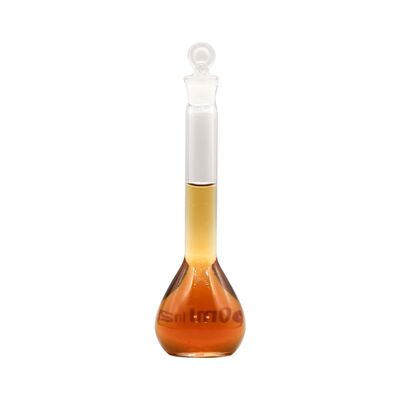
Convertzyme 260D, a premium Pulp And Paper Enzymes product, is specially designed to enhance the efficiency and quality of pulp and paper manufacturing processes. Available in both liquid and powder forms, this light brown liquid enzyme preparation offers versatility and ease of use across various industrial applications. With an optimal pH range of 4.5 to 7.5, Convertzyme 260D is perfectly suited for different stages of pulp and paper production, ensuring maximum enzymatic activity and process optimization.

One of the primary application occasions for Convertzyme 260D is in the surface sizing process. As a highly effective surface sizing enzyme, it plays a crucial role in improving paper surface properties such as strength, printability, and smoothness. By breaking down specific components on the paper surface, this enzyme helps in achieving better adhesion of sizing agents, resulting in enhanced paper quality and reduced consumption of chemicals. This makes Convertzyme 260D an indispensable solution for paper mills aiming to produce high-grade paper products with consistent performance.

Convertzyme 260D is also widely used during pulp bleaching and refining stages. Its enzymatic action helps in reducing the demand for harsh chemicals, thereby lowering environmental impact and operational costs. The enzyme’s ability to function effectively within a pH range of 4.5 to 7.5 ensures it can be integrated seamlessly into various process conditions without compromising stability or activity. Additionally, the product’s shelf life of 6 to 12 months makes it convenient for storage and long-term usage, allowing manufacturers to maintain uninterrupted production schedules.

In scenarios where surface sizing enzyme performance is critical, Convertzyme 260D excels by enhancing fiber bonding and improving overall paper strength. It is particularly beneficial in producing specialty papers, such as packaging materials, printing papers, and tissue products, where surface characteristics directly impact end-use quality. The choice between liquid and powder form offers flexibility for different application methods, whether it is direct addition into the pulp slurry or incorporation into coating formulations.

Overall, Convertzyme 260D’s combination of reliable shelf life, adaptable forms, optimal pH range, and proven enzymatic efficiency makes it a valuable asset in pulp and paper manufacturing. Its role as a surface sizing enzyme ensures that manufacturers can achieve superior product quality while optimizing process economics and sustainability. Whether in large-scale industrial mills or smaller specialty paper producers, Convertzyme 260D offers a dependable enzymatic solution tailored to the evolving needs of the pulp and paper industry.


Customization:

Our product customization services for the Pulp and Paper Enzymes, specifically the Convertzyme 260D, offer tailored solutions to meet your unique manufacturing needs. Convertzyme 260D is available in both liquid and powder forms, featuring a light brown liquid appearance that ensures easy integration into your processes.

As a versatile surface sizing enzyme, Convertzyme 260D provides multiple functions including bleaching, deinking, fiber modification, pitch control, and drainage improvement. By customizing the enzyme concentration and formulation, we optimize its performance to enhance surface sizing enzyme effectiveness, resulting in improved brightness and strength of your paper products.

Our customization process also focuses on environmental benefits, helping you reduce chemical usage while promoting eco-friendly production practices. Proper storage conditions are advised: store Convertzyme 260D in a cool, dry place away from direct sunlight to maintain its activity and longevity.

Choose our product customization services to harness the full potential of this surface sizing enzyme, tailored specifically for your pulp and paper production requirements.


Support and Services:

Our Pulp and Paper Enzymes are designed to enhance the efficiency and sustainability of your production processes. We offer comprehensive technical support to ensure optimal enzyme performance tailored to your specific application needs.

Our team of experts provides guidance on enzyme selection, dosing strategies, and process integration to maximize yield, improve pulp quality, and reduce chemical usage. We also assist with troubleshooting and process optimization to help you achieve consistent results.

In addition to technical support, we offer a range of services including on-site trials, enzyme activity monitoring, and customized training programs for your staff. Our goal is to partner with you to drive innovation and improve operational efficiency in your pulp and paper manufacturing.

For ongoing support, we provide detailed product documentation, application notes, and best practice guidelines to help you get the most out of our enzyme solutions.


FAQ:

Q1: What is Convertzyme 260D used for in the pulp and paper industry?

A1: Convertzyme 260D is an enzyme specially formulated to improve pulp processing by enhancing fiber separation, reducing refining energy, and increasing paper quality.

Q2: How does Convertzyme 260D improve the papermaking process?

A2: Convertzyme 260D helps break down hemicelluloses and other components in the pulp, which leads to better fiber bonding, increased drainage, and improved paper strength and brightness.

Q3: Is Convertzyme 260D compatible with all types of pulp?

A3: Convertzyme 260D is designed to work effectively with a variety of pulp types, including hardwood, softwood, and recycled fibers, making it versatile for different paper production processes.

Q4: What is the recommended dosage for using Convertzyme 260D?

A4: The optimal dosage of Convertzyme 260D varies depending on the specific pulp type and processing conditions, but typical usage ranges from 0.1% to 0.5% based on the dry weight of the pulp.

Q5: How should Convertzyme 260D be stored to maintain its effectiveness?

A5: Convertzyme 260D should be stored in a cool, dry place away from direct sunlight and extreme temperatures to preserve its enzymatic activity and ensure long shelf life.